Most people think they’re the same thing. Stretching. Mobility. Flexibility.
The words are often used interchangeably. They shouldn’t be — because understanding the difference can completely change the way you think about movement.
Being able to reach a position isn’t the same as being able to control it.
Stretching Gives You Access
Imagine someone hands you the keys to a beautiful house. Having the keys gives you access. But it doesn’t automatically mean you know how to live in it.
Movement works in much the same way. Stretching is the key. It can help your body access more range of motion — you may find yourself reaching further, feeling less restricted, or moving into positions that previously felt difficult.
That’s valuable. But having access to movement isn’t the same as being able to use it confidently. That’s where mobility begins.
Mobility Gives You Control
Now imagine walking into that same house. You don’t simply stand in the hallway. You move through every room comfortably. You know where everything is. You feel at home.
Mobility is similar. It isn’t simply about how far your body can move. It’s about how well you can control your body throughout that movement.
- Strength
- Balance
- Coordination
- Control
- Confidence
These are all part of mobility. One creates opportunity. The other teaches your body what to do with it.
Why This Matters More Than You Think
Many people assume mobility only matters if you’re an athlete. It doesn’t.
Think about how many ordinary movements you perform every single day.
- Reaching into the back seat of your car.
- Picking something up from the floor.
- Lifting shopping bags.
- Climbing stairs.
- Getting down to play with your children or grandchildren.
- Standing back up again.
- Putting luggage into an overhead locker.
- Stepping into the bath.
None of these feel like exercise. They’re simply life. And that’s exactly why mobility matters. The better your body moves through everyday life, the easier everyday life becomes.
Stretching And Mobility Work Together
This isn’t an argument about choosing one over the other. They need each other.
Stretching helps create available movement. Mobility helps you own that movement.
Imagine improving the flexibility in your hips but never learning how to squat comfortably. Or becoming stronger without ever improving the range available to your joints. Eventually, progress slows.
The best results usually come when both qualities improve together. One opens the door. The other gives you the confidence to walk through it.
It’s Bigger Than Exercise
One of the biggest misconceptions about mobility is that it’s only something people think about in the gym. In reality, movement quality influences almost everything we do.
How comfortably you travel. How easily you play with your children. How confidently you carry shopping. How freely you move around the house. How well you recover after a busy week.
Good movement doesn’t simply help you exercise. It helps you live.
Where Assisted Stretch Therapy Fits
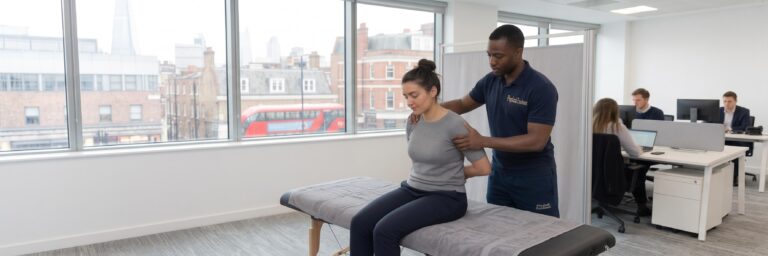
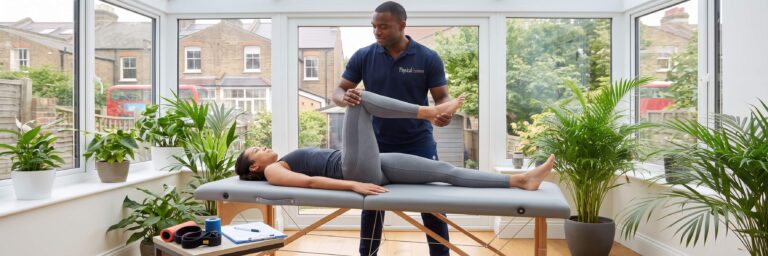
Assisted Stretch Therapy can be an excellent way to improve the range of movement available to your body. For many people, it provides the opportunity to move into positions that are difficult to achieve alone.
But lasting mobility comes from combining that increased range with active movement, strength and regular use. That’s why Assisted Stretch Therapy works best as part of a broader approach that includes regular movement, appropriate strength training and healthy daily habits.
Stretching may help create the opportunity. Movement helps you keep it.
Building A Better Body
We’ve explored similar ideas throughout this series.
In Strong Isn’t Mobile, we explained why strength alone doesn’t guarantee good movement.
In Why Working From Home Leaves You Tighter, we explored how modern routines quietly remove movement from everyday life.
And in Why Travel Leaves You Stiff, we looked at how long periods of stillness affect the body.
Each article explores one part of the same picture. This article brings them together.
The Takeaway
Movement isn’t measured by how far you can reach. It’s measured by how confidently your body responds when life asks something of it.
Stretching helps create opportunity. Mobility helps you use it. One without the other is incomplete.
When you develop both together, movement stops being something you constantly think about. It simply becomes part of how you live — not just in the gym, but at work, at home, on holiday, with your family, and for years to come.
Stretching gives you access. Mobility gives you control. Together, they give you the freedom to move through life with confidence.
If you’d like to explore how Assisted Stretch Therapy could complement your own mobility journey, I’d be happy to discuss whether it’s the right fit for you.
Ebou Njie Founder, Physical Excellence
Specialist Assisted Stretch Therapy & Private Training | London
This article is for general information only and should not be considered medical advice. Assisted Stretch Therapy is not a medical treatment. Individuals experiencing persistent pain or diagnosed medical conditions should seek advice from an appropriate healthcare professional.