Your calendar is full.
- School runs.
- Meetings.
- Shopping.
- Work.
- Family.
- Phone calls.
- Appointments.
- Deadlines.
- Birthdays.
Everyone has a place in your diary.
Except you.
If that feels familiar, you’re certainly not alone.
For many people, looking after themselves is the first thing to disappear when life gets busy. Not because they don’t care. Because everyone else seems to need them first.
Life Has A Way Of Taking Over
Very few people decide to stop looking after themselves. It usually happens one small decision at a time.
You skip one walk because work runs late. You miss the gym because the children need collecting. You eat lunch at your desk. You promise yourself you’ll stretch tomorrow.
Tomorrow becomes next week. Then next month.
Without realising it, you’ve become incredibly reliable at looking after everyone else’s needs while quietly moving your own further down the list.
The Invisible Waiting List
Here’s something most of us never think about.
Every time you ignore a small ache. Skip recovery. Put off moving. Or tell yourself, “I’ll deal with it when life calms down” — you’re adding yourself to an invisible waiting list.
At first, nothing much changes. Life carries on.
But your body keeps the appointment you missed.
It remembers the long hours sitting. The rushed meals. The interrupted sleep. The weekends spent catching up instead of slowing down.
Eventually, your body asks for that time back. Sometimes as stiffness. Sometimes as fatigue. Sometimes as persistent aches that seem to appear for no obvious reason.
Your body isn’t trying to punish you. It’s simply responding to the life you’ve asked it to support.
Your Diary Might Forget You. Your Body Doesn’t.
One of the biggest misconceptions about self-care is that it’s selfish.
Parents often feel guilty. Business owners feel they should always be working. Professionals convince themselves they’ll slow down after the next deadline.
The trouble is, your body doesn’t work to the same timetable as your diary. It doesn’t know that next month will be quieter. It only responds to what happens today.
That’s why looking after yourself isn’t about choosing yourself instead of everyone else. It’s about making sure you still have the energy, strength and health to keep showing up for the people who matter most.
Small Habits Build Strong Bodies
Looking after yourself doesn’t require a complete lifestyle overhaul. In fact, it rarely works that way.
- A ten-minute walk.
- Standing up between meetings.
- Strength training a couple of times each week.
- Doing a few minutes of mobility while the kettle boils.
- Getting to bed a little earlier.
- Choosing recovery before your body demands it.
These aren’t dramatic changes. But repeated consistently, they quietly shape how your body feels for years to come.
Sometimes Making It Easier Is The Answer
Knowing what you should do isn’t always the difficult part. Finding time often is.
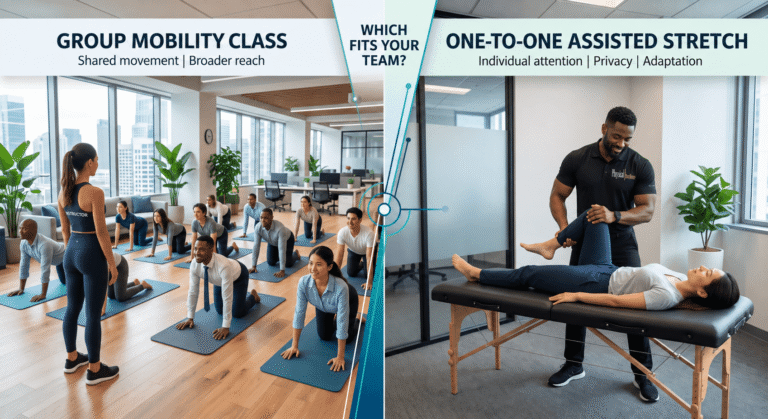
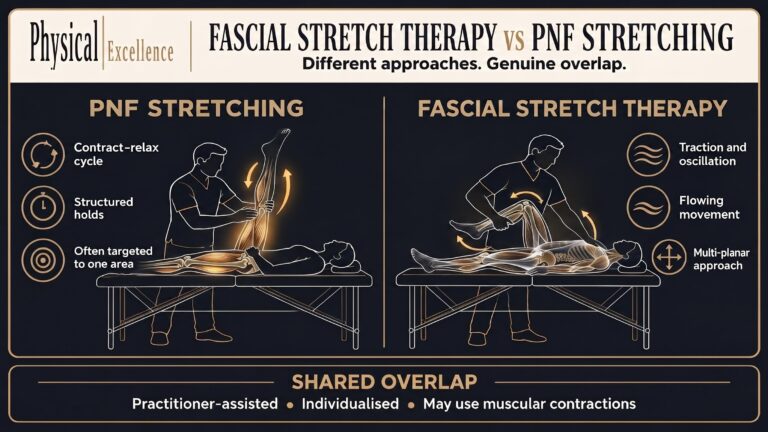
That’s one reason many people choose mobile Assisted Stretch Therapy. Rather than asking you to travel across London for another appointment, the session comes to your home, fitting around your life instead of adding another journey to it.
Sometimes the easiest habit to keep is simply the one that asks the least of your already busy day.
The Takeaway
Every day you spend looking after other people matters. But you matter too.
Your health doesn’t need to come first every single day. It just shouldn’t always come last.
Because when you have more energy. When your body moves more freely. When you recover well. Everyone around you benefits too.
The people who spend their lives looking after everyone else often become the people who need looking after the most.
So here’s one question worth asking yourself.
Who looks after you?
If you’d like to explore how Assisted Stretch Therapy could fit around your lifestyle, I’d be happy to discuss whether it’s the right fit for you.
Ebou Njie Founder, Physical Excellence
Specialist Assisted Stretch Therapy & Private Training | London
This article is for general information only and should not be considered medical advice. Assisted Stretch Therapy is not a medical treatment. Individuals experiencing persistent pain or diagnosed medical conditions should seek advice from an appropriate healthcare professional.